
Get Forest Fire Mitigation in Flint, MI
Forest fire mitigation services for Flint, MI, help property owners reduce wildfire risk through brush clearing, defensible space creation, and fire-resistant landscaping with trusted local contractors.
Property owners in Flint, MI, considering forest fire mitigation often explore options to protect their land and structures from potential fire risks. Developing a comprehensive fire management plan can help reduce hazards, improve safety, and preserve property value. Comparing the services offered by nearby contractors ensures that the chosen approach aligns with specific needs, whether that involves clearing brush, creating defensible spaces, or implementing firebreaks. Staying informed about available options allows property owners to make practical decisions that support long-term safety and land management.
For those interested in safeguarding their property, connecting with experienced service providers in the area can provide valuable insights and tailored solutions. Local contractors have a familiarity with regional conditions and fire prevention strategies relevant to Flint and surrounding communities. Continuing to explore these options can help property owners identify effective mitigation methods suited to their land and ensure they are making informed, practical choices for fire safety and land management.
- Vegetation Clearing - needed when overgrown plants or trees pose a fire risk near homes and properties.
- Defensible Space Creation - essential for residents in neighborhoods where wildfire exposure is a concern.
- Firebreak Installation - useful in rural or wooded areas to help contain potential fires before they spread.
- Hazardous Debris Removal - necessary after storms or fires to reduce fuel sources around structures.
- Community Fire Risk Assessments - helpful for neighborhoods seeking to identify and mitigate local fire hazards.
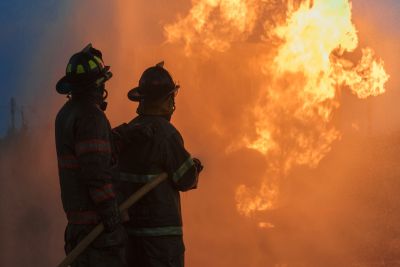
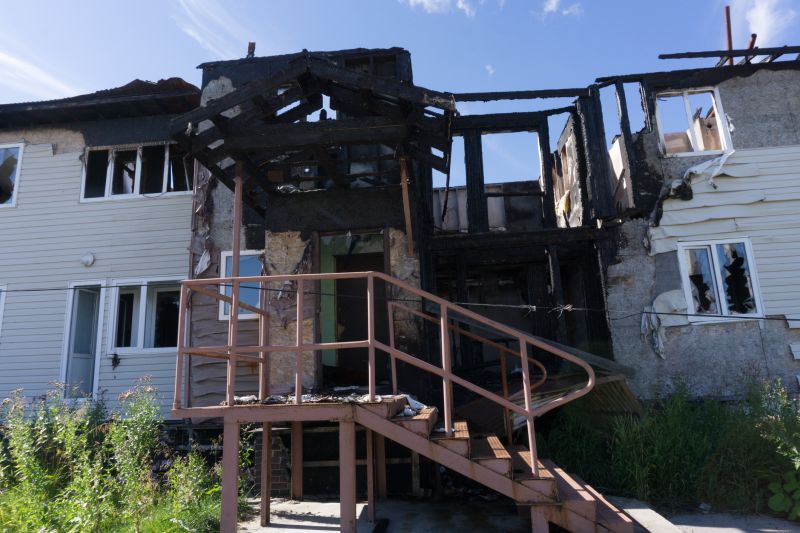
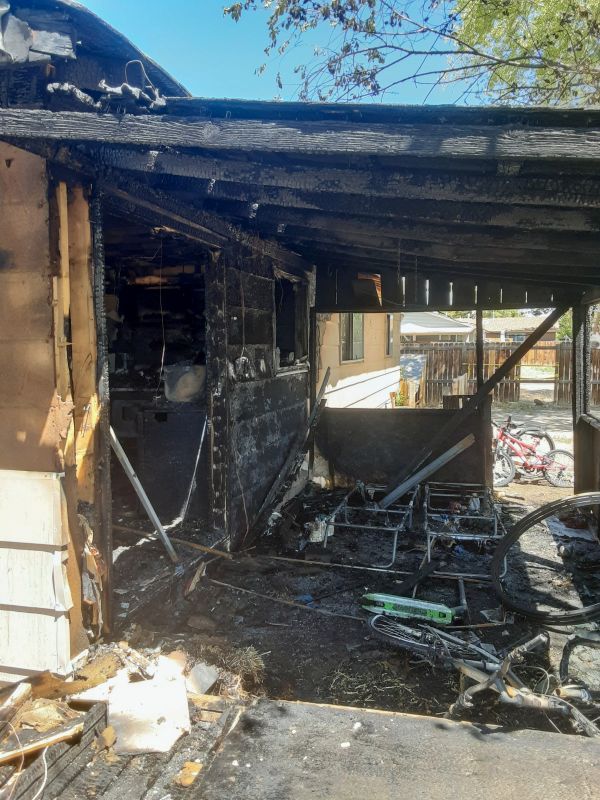
Forest fire mitigation services involve the strategic removal and management of combustible vegetation and debris around properties to reduce the risk of wildfire damage. These services typically include clearing brush, trimming trees, creating defensible space, and removing dead or overgrown plants that can serve as fuel during a fire. By establishing a defensible zone, property owners can significantly decrease the chances of flames spreading directly to structures, helping to protect homes, outbuildings, and other assets in fire-prone areas.
This type of service addresses common problems faced by homeowners in regions where wildfires are a concern. Overgrown vegetation, accumulated dry leaves, and unmanaged trees can all contribute to the rapid spread of fire. Without proper mitigation, a small blaze can quickly escalate, threatening the safety of residents and causing extensive property damage. Forest fire mitigation helps prevent such scenarios by reducing fuel sources, creating barriers to fire spread, and improving the overall resilience of a property against wildfire threats.
Properties that typically benefit from forest fire mitigation include residential homes nestled near wooded areas, rural properties with large land parcels, and properties located in regions known for dry seasons or high fire risk. These services are especially valuable for homes with dense tree coverage or thick underbrush that can easily catch fire. Commercial properties, parks, and community facilities situated in fire-prone zones may also seek mitigation to safeguard their assets and ensure safety for visitors and staff.
Homeowners who notice overgrown vegetation, dead trees, or an accumulation of dry brush around their property should consider forest fire mitigation services. These efforts are practical for reducing fire hazards and can be an important part of a broader fire safety plan. Connecting with experienced local contractors can help property owners develop tailored strategies to manage wildfire risks effectively, ensuring their homes and properties are better prepared for fire season.
The overview below groups typical Forest Fire Mitigation projects into broad ranges so you can see how smaller, mid-sized, and larger jobs often compare in Flint, MI.
In many markets, a large share of routine jobs stays in the lower and middle ranges, while only a smaller percentage of projects moves into the highest bands when the work is more complex or site conditions are harder than average.
Smaller Repairs - Basic fire mitigation tasks, such as clearing brush or treating small areas, typically cost between $250 and $600. Many routine jobs fall within this range, depending on the scope of work and property size.
Moderate Projects - More extensive vegetation management or partial landscape treatments usually range from $600 to $2,000. These projects are common for homeowners seeking to reduce fire risk across larger sections of their property.
Large-Scale Mitigation - Comprehensive fire prevention services, including multiple area treatments and detailed planning, can cost between $2,000 and $5,000. Fewer projects reach this tier, often reserved for larger properties or complex terrains.
Full Property Replacement - Complete overhaul or significant landscape redesign for fire safety may exceed $5,000, with some larger or highly complex projects reaching $10,000 or more. These are typically less frequent but necessary for high-risk sites or extensive mitigation efforts.
Actual totals will depend on details like access to the work area, the scope of the project, and the materials selected, so use these as general starting points rather than exact figures.
Vegetation Management Projects - local contractors perform controlled clearing and trimming to reduce fire fuel loads around properties, similar to forest fire mitigation efforts.
Defensible Space Planning - service providers help design and create defensible zones by removing combustible materials and creating buffer areas to protect structures from wildfires.
Wildfire Risk Assessment - professionals evaluate property and landscape conditions to identify fire hazards and recommend mitigation strategies, paralleling forest fire prevention planning.
Emergency Access Improvements - local pros enhance access routes and clear pathways to ensure quick emergency response, a key aspect of wildfire safety planning.
Firebreak Construction - experts build physical barriers or cleared zones to halt or slow the spread of fires, similar to techniques used in forest fire management.
Hazardous Vegetation Removal - contractors identify and remove invasive or overgrown plants that could fuel fires, supporting overall fire risk reduction efforts.
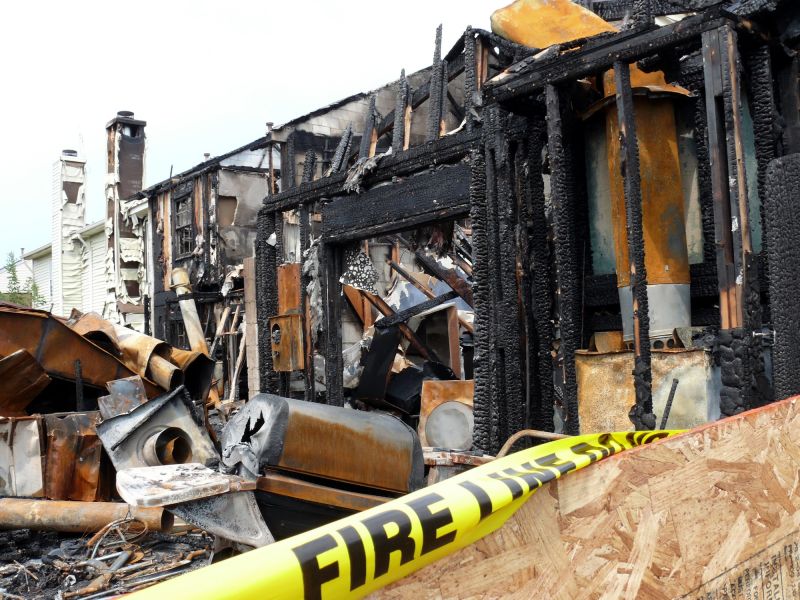
When evaluating service providers for Forest Fire Mitigation, it’s important to consider their experience with similar projects in the Flint area or nearby communities. A contractor with a proven track record handling fire mitigation efforts can offer valuable insights and practical solutions tailored to the specific challenges of the local environment. Asking about past projects that resemble the scope of work needed can help determine whether a contractor has the relevant background and expertise to effectively address the unique conditions of your property.
Clear, written expectations are essential to ensure that both homeowners and service providers are aligned on the scope of work, materials, and responsibilities. When comparing options, look for contractors who can provide detailed proposals or plans that outline what will be done, what is included, and any assumptions or limitations. This transparency helps prevent misunderstandings and ensures that the mitigation efforts meet your needs and expectations.
Reputable references and good communication are key factors in selecting a reliable service provider. Asking for references from previous clients who have had similar work completed can provide insight into the contractor’s professionalism, quality of work, and reliability. Additionally, a contractor who communicates clearly and promptly can make the process smoother and more transparent. While the site introduces homeowners to local options, it’s important to contact and discuss these aspects directly with the service providers to find the best match for your forest fire mitigation needs.
Property owners in Flint, MI use Forest Fire Mitigation services for practical projects around their homes and businesses. This guide focuses on everyday jobs and straightforward project options.
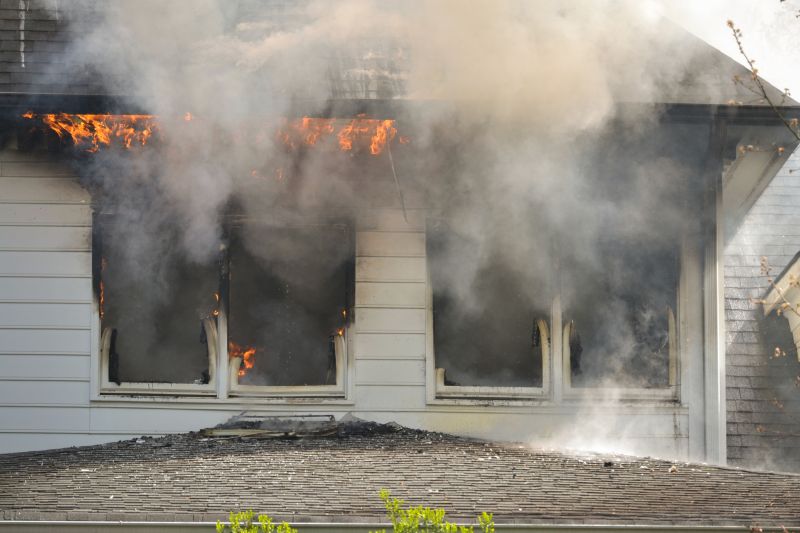
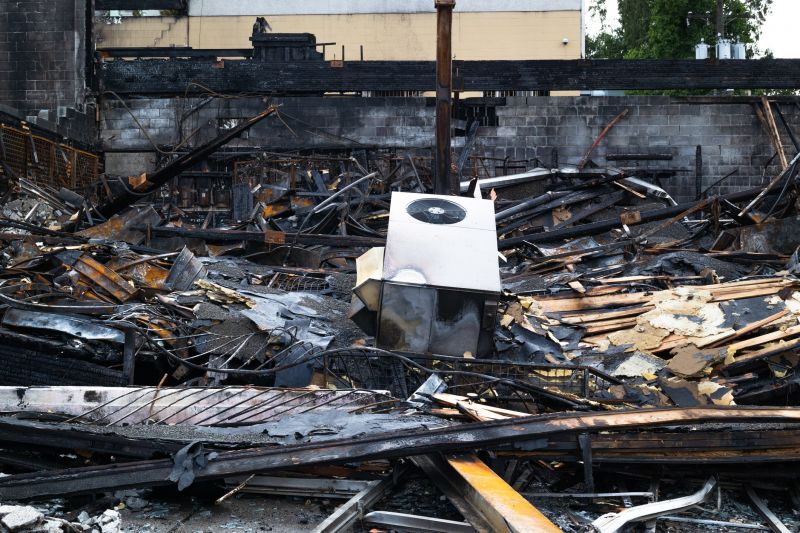
Property owners in Flint, MI often seek fire mitigation services to reduce the risk of property damage caused by wildfires or accidental sparks. Common situations include clearing overgrown vegetation, removing dead trees, or creating defensible space around homes and structures. Local contractors can provide the necessary work to help maintain a safer environment, especially in areas prone to dry conditions or nearby wooded land.
Many residents look for fire mitigation solutions after experiencing nearby fires or noticing increased brush buildup on their property. These services can also be a proactive step for those wanting to protect their homes and belongings from potential fire hazards. Local service providers are equipped to handle tasks like brush removal, firebreak creation, and vegetation management to help reduce fire risks and enhance property safety.
What is forest fire mitigation? Forest fire mitigation involves strategies and services to reduce the risk of wildfires spreading in wooded or rural areas around Flint, MI, and nearby communities.
How can local contractors help with forest fire mitigation? Local service providers can assess fire risks, clear brush, create defensible zones, and implement firebreaks to help protect properties from wildfires.
What types of vegetation management are included in fire mitigation services? Vegetation management may include removing dead trees, thinning dense brush, and trimming overgrown plants to decrease fuel sources for fires.
Are there specific areas where fire mitigation is most effective? Fire mitigation is especially beneficial around homes, properties near forests, and rural developments where wildfire risk is higher.
How do local service providers determine the best fire mitigation plan? They evaluate the property’s landscape, local fire risk factors, and applicable safety guidelines to recommend suitable mitigation measures.
Defensible Space Planning - Property owners can work with local contractors to create a defensible space around their homes by clearing brush and reducing flammable materials.
Vegetation Management - Local service providers can assist in trimming trees and removing dead plants to minimize fire risk near structures.
Firebreak Installation - Homeowners can explore options for installing firebreaks or barriers that help slow the spread of wildfire on their property.
Emergency Access Routes - Property owners can plan and establish clear access routes for emergency responders by consulting local fire mitigation specialists.
If you are thinking about Forest Fire Mitigation for a property in Flint, MI, this guide is meant to help you understand the work, the typical project types, and how different options might fit your plans.
When you are ready, you can use the quote form on this page to share a few details about your project. From there, local pros can review the basics and respond with options that match what you have in mind.